

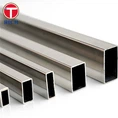


Honed Tube

why choose us?
TORICH INTERNATIONAL LIMITED is a professional steel pipe material manufacturer and exporter with more than 20 years of experience. Our factory covers an area of more than 50,000 square meters. We have professional production equipment and complete testing equipment.
one-stop solution
20+ Years of Experience
high quality


What is a honed tube?
A honed tube is a precision-engineered steel tube characterized by its ultra-smooth inner surface and exact dimensional tolerances. It is primarily used in hydraulic and pneumatic systems, where minimizing friction and ensuring reliable performance are critical.
What is the process of tube honing?
Tube honing refines cylindrical bores using abrasive stones (diamond, CBN, ceramic) on materials like steel or aluminum. It enhances surface finish, dimensional precision, and lubrication retention via crosshatch patterns. Key uses: engine cylinders (automotive), hydraulic/pneumatic barrels, aerospace tubing, and firearm barrels. Combines rotation and reciprocation with coolant to remove minimal material (0.001–0.005"), ensuring optimal performance in high-precision applications
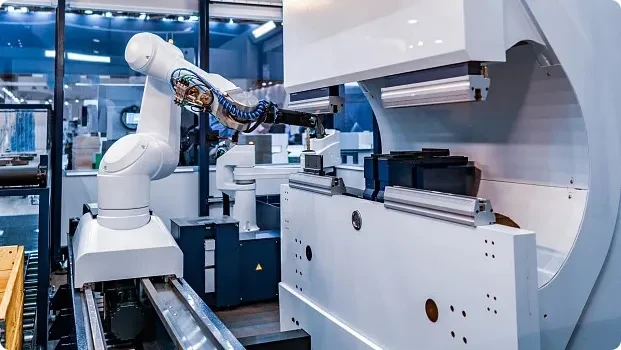
Production process
The Production Process of Precision Ground Steel Tubes: From Manufacturing to Packaging
Precision ground steel tubes are essential components in high-end mechanical and hydraulic systems, known for their exceptional dimensional accuracy and smooth surface finish. Here’s a simplified breakdown of their production journey, from raw materials to final packaging:
1. Raw Material Preparation
1.1Pipe Blank Selection:
Hot-rolled or cold-rolled seamless steel tubes are chosen as raw materials. Common materials include carbon steel, alloy steel, or stainless steel, all rigorously tested for chemical composition and mechanical properties to ensure uniformity and defect-free structures.
2. Forming: Hot Rolling vs. Cold Rolling
2.1 Hot Rolling:
The pipe blank is heated to approximately 1200°C to make it malleable. A piercing machine creates a hollow tube, which is then shaped by continuous rolling.
Pros: Cost-effective for large-scale production.
Cons: Produces a thick oxide layer requiring later removal.
2.2 Cold Rolling:
Conducted at room temperature, this process reduces wall thickness and calibrates dimensions, ideal for thin-walled, high-precision tubes.
Pros: Superior surface finish and tighter tolerances.
Cons: Higher cost and intermediate annealing steps are often needed.
3. Heat Treatment
To enhance mechanical properties and relieve internal stress from rolling, pipes undergo:
3.3 Annealing/Normalizing: Heating to 800–900°C (for carbon steel) followed by controlled cooling. This refines the microstructure and improves durability.
4. Straightening
Multi-roller straightening machines correct bends or warps, ensuring straightness (≤1.5mm/m deviation). Proper alignment of rollers and pressure settings is critical for consistency.
5. Precision Grinding (Core Process)
5.1 External Grinding:
A centerless grinding machine or cylindrical grinder polishes the outer surface. The grit size of grinding wheels (80–320 mesh) determines the surface roughness (Ra 0.4–1.6 μm). Tolerances are kept within ±0.02mm for diameter and ≤0.01mm for ovality.
5.2 Internal Grinding:
For applications like hydraulic cylinders, internal grinders or honing machines achieve ultra-smooth inner surfaces (Ra ≤0.2 μm). Specialized techniques prevent vibrations in long tubes, avoiding wavy imperfections.
6. Cutting and Chamfering
6.1 Precision Cutting: Band saws or laser cutters ensure clean, perpendicular cuts (deviation ≤0.1°). Burrs are removed to a height of ≤0.05mm.
6.2 Chamfering: Edges are smoothed mechanically to prevent damage during assembly.
7. Quality Control
7.1 Dimensional Checks: Coordinate measuring machines (CMMs) verify outer diameter, wall thickness, and straightness. Inner diameter is tested with air gauges or plug gauges.
7.2 Surface Inspection: Visual checks and roughness testers (e.g., Taylor Hobson) detect scratches, cracks, or pits.
7.3 Non-Destructive Testing (NDT):
Ultrasonic Testing: Identifies internal cracks or inclusions.
Eddy Current Testing: Screens for surface defects.
7.4 Pressure Testing: Tubes withstand 1.5× working pressure for 30 minutes without leakage.
8. Surface Treatment and Anti-Corrosion
8.1 Sandblasting/Polishing: Enhances aesthetics or prepares surfaces for coatings.
8.2 Phosphating/Galvanizing: Adds corrosion-resistant layers (5–15 μm thick).
8.3 Rust Prevention: Short-term protection uses anti-rust oils; long-term storage employs VCI (vapor corrosion inhibitor) paper.
9. Packaging and Shipping
9.1 Protective Packaging: Individual tubes are wrapped in PE film. Multiple tubes are bundled in wooden crates or steel frames with moisture-proof liners. Tube ends are capped to guard against impact damage.
9.2 Labeling: Laser markings indicate material grade, dimensions, batch number, and standards (e.g., ASTM A519).
9.3 Transportation: Custom racks in shipping containers prevent deformation during transit.
Application Areas


1. Mechanical manufacturing field
Grinding steel pipes are mainly used for high-precision transmission parts and wear-resistant equipment.
Bearing bushings and shaft system components: high surface finish and dimensional accuracy can reduce friction loss and improve the operating stability of machine tools and engineering machinery.
Hydraulic system: used to manufacture the inner wall of high-pressure cylinders to ensure sealing and pressure resistance.
Precision molds: used as polishing or deburring tools in metal processing to improve the surface quality of parts.
2. Biomedical field
Although the reference material does not mention it directly, it can be inferred from the material properties:
Surgical instruments and testing equipment: Stainless steel grinding tubes may be used to manufacture corrosion-resistant and easy-to-clean precision instruments (such as endoscope sleeves).
Medical equipment transmission pipelines: Corrosion resistance is suitable for transporting liquid medicine or biological samples, and must meet sterility requirements.
3. Petroleum and petrochemical fields
Grinding steel pipes perform well in corrosive environments:
Oil and gas transmission pipelines: high pressure resistance and corrosion resistance are suitable for oil and gas extraction and refining equipment.
Reaction vessel lining: used for acid and alkali medium treatment equipment to extend equipment life.
Pump and valve components: High-hardness materials can cope with the erosion and wear of fluids containing particles.
4. Automotive industry
Grinded steel pipes are widely used in the manufacturing of key components:
Transmission shafts and gear components: High-precision pipes ensure power transmission efficiency and reduce vibration and noise.
Engine components: Such as high-pressure oil pipes in fuel injection systems, which need to have both strength and sealing.
Chassis and suspension systems: Wear-resistant bushings and bearing seats can improve vehicle durability
TORICH INTERNATIONAL LIMITED is a professional steel pipe material manufacturer and exporter with more than 20 years of experience. Our factory covers an area of more than 50,000 square meters. We have professional production equipment and complete testing equipment. Professional production (seamless steel pipes, welded steel pipes, DOM steel pipes, capillary tubes), etc. Proficient in (cold drawn cold rolled hot fire eddy current) etc. And our team will also provide various customized services OEM&ODM. We also have good service and after-sales capabilities. We can provide you with competitive prices and high-quality products in the market. We can deliver the goods faster than others. destination.
Founded in
years experience
Covered area
Existing employees
Certifications

CE-1

CE-2
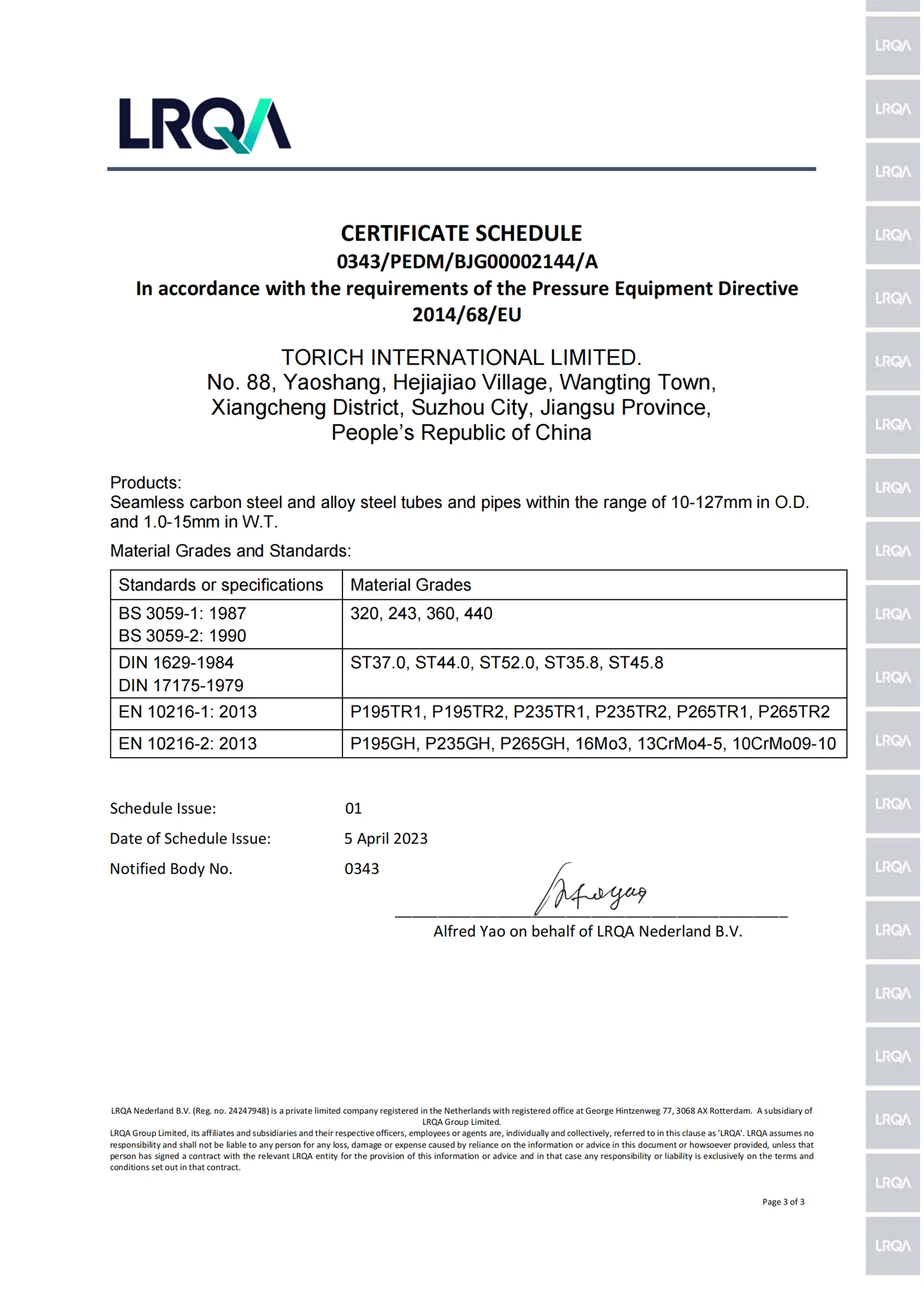
CE-3
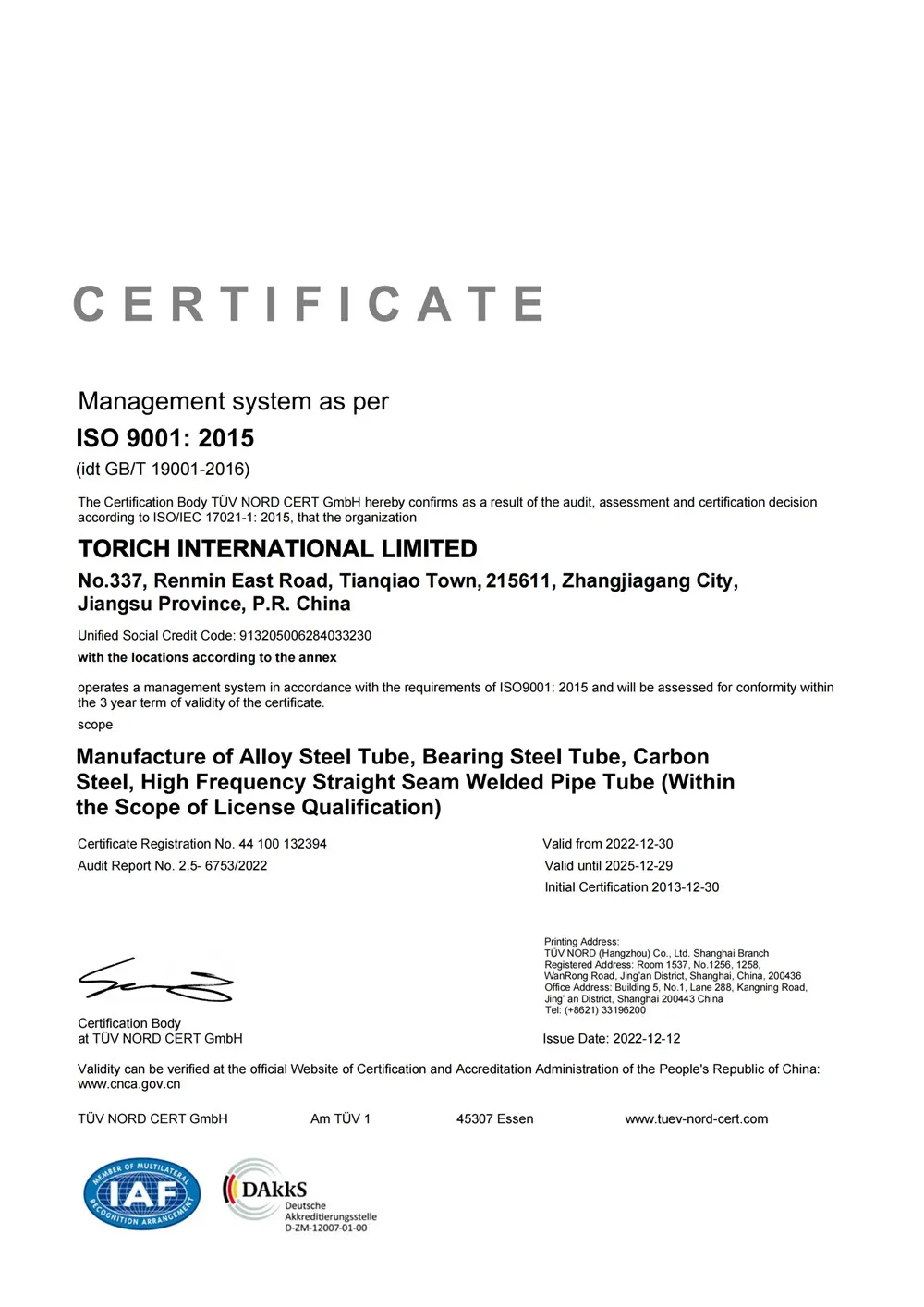
ISO9001-1

ISO9001-2

TS16949
FAQ
Q: What’s your MOQ?
Q: How long is your delivery time?
Q: Do you provide sample ? Is it free?
Q: What are the raw materials used to make Honed Tube?
Q: Are you trading company or manufacturer?
Q: Can you do OEM and ODM
Q: Can we use our own logo?
Q: Can you do our own packaging?
Q: How many different types of products your company manufactures?
Q: When can I get the price?
Q: how about your Quality Control?
Q: What about your Service?
Q: Do you support customized drawings?
Q: Where is your factory located?
Q: When did your factory established?
Q: Where is your product use in?
Q: What machines you have in your factory?
Q: Do you have QC department?
Q: Do you have a showroom?
We're well-known as one of the leading honed tube manufacturers and suppliers in China. Please feel free to wholesale high quality honed tube for sale here from our factory. For price consultation, contact us.
hone tube