



Knowledge
-

14
Oct
ASTM A554 Stainless Steel Tubing: Grades, Sizes, Finishes and UsesStainless steel tubing can look similar from the outside, but the applicable ASTM standard determines how the tube is manufactured and where it should be used. For buyers sourcing tubing for furniture
Read More -

09
Oct
What Is Stainless Steel Instrumentation Tubing? Sizes, Standards and Applicat...In process industries, instrumentation lines connect pressure gauges, valves, analyzers, transmitters, control panels and other critical equipment. These lines may carry gases, hydraulic fluids, chemi
Read More -

23
Sep
ASTM A269 vs ASTM A213 Stainless Steel Tubing: Key DifferencesWhen sourcing stainless steel tubing, ASTM A269 and ASTM A213 often appear with similar material grades such as 304, 304L, 316, and 316L. At first glance, the specifications may seem interchangeable,
Read More -

16
Sep
Best Stainless Steel Grades for Heat Exchanger TubesChoosing the right tube material is one of the most important decisions in heat exchanger design. Tubes may be continuously exposed to hot water, steam, chemicals, chlorides, pressure, and repeated te
Read More -

09
Sep
Large Diameter Stainless Steel Pipe: Sizes, Grades and UsesWhen stainless steel piping moves into larger diameters, selecting the right material involves more than choosing a grade such as 304L or 316L. Pipe diameter, wall thickness, manufacturing method, ope
Read More -

03
Sep
ERW Tubing vs DOM Tubing: What’s the Difference?When engineers or buyers compare ERW Tubing vs DOM Tubing, the key question is not simply “which one is better?” The real issue is whether the final part needs the extra dimensional control created by
Read More -
27
Aug
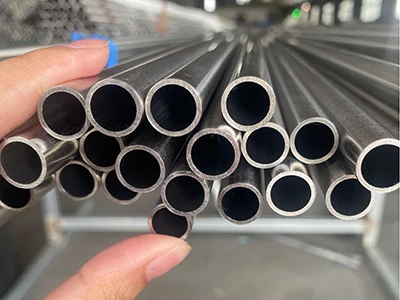
304 vs 316L Stainless Tubes for EV Cooling SystemsEV thermal management is becoming more demanding as battery packs become larger, charging speeds increase, and vehicle platforms integrate more components into shared cooling circuits. Battery pack
Read More -

20
Aug
Why EV Thermal Management Needs Precision Stainless Steel Tubes?Electric vehicles are changing the role of tubing inside modern vehicles. In traditional internal combustion vehicles, tube systems are mainly associated with fuel delivery, exhaust gas, lubricatio
Read More -
14
Aug
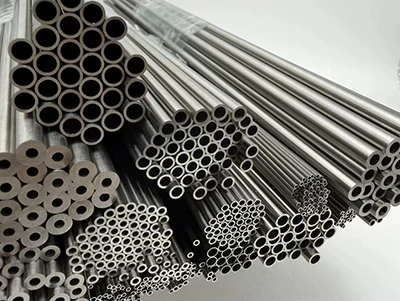
Capillary Tubing Oil and Gas: Precision Stainless Steel Tubing for Downhole a...The oil and gas industry operates in some of the most demanding environments; the equipment used must withstand high pressures, extreme temperatures, and corrosive fluids while ensuring long-term, rel
Read More -

05
Aug
Stainless Heat Exchanger Tube Grades Explained: 304, 316, 321 and Duplex Stai...In industrial sectors such as chemical processing, power generation, and refrigeration, stainless heat exchanger tube is widely used as a core component for heat transfer systems; its performance dire
Read More -
30
Jul
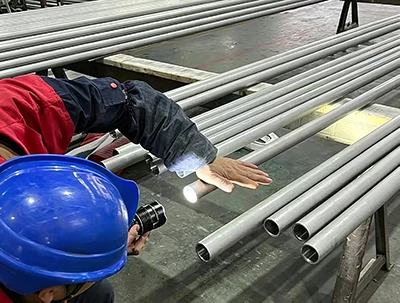
Difference between ASTM A312 and ASTM A358 stainless steel pipesThe difference between ASTM A312 and ASTM A358 stainless steel pipes mainly lies in their manufacturing methods, weld requirements, inspection levels, and intended service conditions.ASTM A312 is suit
Read More -

22
Jul
304 Stainless Steel Capillary Tube vs 316 Which Is Better for Instrumentation...In the precision piping of instrumentation and control systems, material selection directly impacts signal transmission reliability and long-term durability. While 304 stainless steel capillary tube o
Read More