

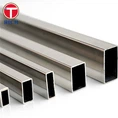


Microfin Tubes
Microfin tubes are an essential component in various industrial applications, offering superior heat transfer capabilities and high efficiency. These tubes are specifically designed for heat exchangers, ensuring optimal performance and cost-effectiveness. In this article, we will explore the material, specification, key features, chemical composition, mechanical properties, steel grade, application, and possible alternative grades of microfin tubes.
Material
Microfin tubes are predominantly manufactured using carbon steel, stainless steel, or copper alloys. The material selection primarily depends on the application requirements, including temperature, pressure, and corrosion resistance.
Specification
Microfin tubes come in various specifications to cater to distinct industrial applications. The specifications include tube diameter, wall thickness, length, number of fins per inch, and fin height. The choice of specifications is crucial in achieving the desired heat transfer efficiency.
Key Features
Microfin tubes possess several key features that make them suitable for heat transfer applications:
High heat transfer efficiency: The microfin design enhances the heat transfer rate, resulting in improved overall efficiency.
Compact size: Microfin tubes allow for a more compact design, saving space while maintaining the same level of performance.
Enhanced turbulence: The finned surface disrupts laminar flow, promoting turbulent flow and increasing heat transfer rates.
Resistance to fouling: The microfin design reduces the likelihood of fouling, enhancing the lifespan and efficiency of the heat exchanger.
Cost-effective: Microfin tubes offer excellent performance without the need for expensive materials or complex manufacturing processes.
Chemical Composition
The chemical composition of microfin tubes varies based on the selected material. The table below displays the typical composition for carbon steel, stainless steel, and copper alloy microfin tubes.
| Material | Carbon Steel | Stainless Steel | Copper Alloy |
|---|---|---|---|
| Composition % | C: 0.15-0.30 | C: ≤ 0.08 | C: ≤ 0.06 |
| Mn: 0.30-0.60 | Mn: ≤ 2.00 | ||
| P: ≤ 0.030 | P: ≤ 0.045 | ||
| S: ≤ 0.025 | S: ≤ 0.030 | ||
| Cr: 18.0-20.0 | |||
| Ni: 8.0-10.5 | |||
| Cu: Balance |
Mechanical Properties
Microfin tubes exhibit specific mechanical properties to ensure durability and performance. The table below outlines the mechanical properties for various microfin tube materials.
| Material | Tensile Strength (MPa) | Yield Strength (MPa) | Elongation (%) |
| Carbon Steel | 400-600 | 200-350 | 25-35 |
| Stainless Steel | 500-800 | 200-400 | 35-45 |
| Copper Alloy | 200-350 | 50-150 | 30-40 |
Steel Grade
Microfin tubes are available in different steel grades to meet specific application requirements. Commonly used steel grades include ASTM A179, ASTM A213, and ASTM A556. The selection of a suitable steel grade depends on factors such as temperature, pressure, and corrosion resistance.
Application
Microfin tubes find extensive applications in various industries, including:
- HVAC (Heating, Ventilation, and Air Conditioning) systems
- Refrigeration systems
- Power plants
- Chemical and petrochemical industries
- Food and beverage processing
- Pharmaceutical industry
Automotive industry
Possible Alternative Grades
While microfin tubes are commonly manufactured using carbon steel, stainless steel, or copper alloy, there are alternative grades available for specific applications. Some possible alternatives include titanium alloys, nickel alloys, and aluminum alloys. These alternative grades offer unique properties such as higher corrosion resistance or increased strength, making them suitable for specialized applications.


p>
Hot Tags: microfin tubes, China, suppliers, manufacturers, factory, customized, wholesale, price, OEM, mill, producer, for sale, drainage carbon steel tube, 1.625 dom tubing, corrosion resistant carbon steel tube, galvanized carbon steel tube, packaging carbon steel tube, pharmaceutical carbon steel tube


