

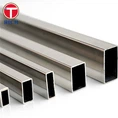


For automotive manufacturers looking to upgrade or replace equipment, selecting the right fuel line material directly impacts long-term equipment reliability, maintenance costs, and fuel system performance.
Stainless fuel line is widely used in automotive, racing, heavy-duty vehicle, and industrial applications due to their robust mechanical properties and resistance to harsh environmental conditions.
This article outlines the key advantages and challenges to consider when selecting stainless steel fuel line components.
Stainless Fuel Line Pros
I. Corrosion Resistance
The most notable advantage of stainless fuel line is their exceptional corrosion resistance. Modern fuels may contain moisture, ethanol, or various additives; conventional steel or rubber lines are prone to internal corrosion, which can generate impurities that clog fuel injectors.
In contrast, lines made from 304 or 316 stainless steel resist both internal and external corrosion over the long term. They remain clean even in humid or high-salinity environments, thereby significantly reducing the risk of fuel system malfunctions.
iI. Durability and Longevity
In automotive fuel systems, the durability of fuel lines is critical; failure can lead to fuel leaks, safety hazards, and costly repairs. High-quality stainless steel fuel lines maintain their structural integrity even after prolonged use.
Unlike traditional rubber fuel lines-which are prone to aging, hardening, embrittlement, and deformation-stainless steel fuel lines offer structural stability and high fatigue resistance. They withstand the vibrations and jolts of vehicle operation as well as the stresses caused by thermal expansion and contraction, making them resistant to damage, kinking, and blockages.
III. Safety and Performance
Fuel systems require piping materials capable of withstanding engine heat, pressure fluctuations during pumping, and the corrosive effects of the fuel itself. Stainless steel fuel lines offer exceptional stability, ensuring both operational safety and optimal system performance.
Their metallic composition provides superior pressure and heat resistance, allowing them to withstand high-pressure fuel delivery conditions without the risk of expansion, bursting, or detachment, thereby effectively eliminating safety hazards such as fuel leaks and fires.
Stainless Fuel Line Cons
I. Higher Cost
Compared to standard rubber hoses or carbon steel fuel lines, stainless steel fuel lines entail significantly higher procurement costs. The raw material is more expensive than that used for conventional piping, and the manufacturing process is more intricate, involving multiple stages such as precision bending, polishing, anti-corrosion treatment, and pressure testing.
II. Installation Difficulty
The stainless fuel line is rigid and lacks flexibility, making it significantly more difficult to install than pliable rubber hoses. Specialized tools are required during manufacturing for cutting, bending, flaring, and assembly; improper handling can result in surface damage or compromise dimensional accuracy.
For aftermarket modifications or custom vehicle projects, professional installation may be necessary to ensure proper routing, reliable connections, and leak-free performance.
III. Weight and Compatibility
Stainless steel is significantly denser than rubber; for modified vehicles where lightweight construction and peak performance are priorities, this added weight could slightly affect acceleration and handling.
Compatibility is another factor to consider. Older vehicles or specialized fuel systems may require specific hose dimensions, fittings, or connection methods. Before replacing existing fuel lines, users should verify that the stainless steel lines meet the necessary specifications.
Stainless Fuel Line Comparison Table
| Category | Advantages | Disadvantages |
| Corrosion Resistance | Excellent protection against rust, chemicals, and harsh environments | Higher material cost compared with standard steel |
| Durability | Long service life, strong mechanical performance, vibration resistance | Requires specialized processing and installation |
| Safety & Performance | Reliable under pressure, heat, and demanding operating conditions | May require professional fitting and fabrication |
| Weight | Strong strength-to-performance balance | Heavier than some lightweight alternatives |
| Compatibility | Available in various sizes and grades for automotive applications | Existing systems may require modification |
Conclusion
In summary, the three key advantages of stainless fuel line-superior corrosion resistance, long service life, and stable safety performance-enable comprehensive optimization of the vehicle's fuel system; conversely, their drawbacks primarily lie in high procurement and installation costs, installation complexity, and certain limitations regarding vehicle model compatibility.