



What is the difference between galvanized pipe and carbon steel pipe?
Galvanized pipe and carbon steel pipe are two types of steel pipes that are commonly used in construction, plumbing, and other applications. While they share some similarities, there are also some key differences between these two types of pipes.
Galvanized pipe is a steel pipe that has been coated with a layer of zinc to protect it from corrosion. The process of galvanization involves immersing the steel pipe in a bath of molten zinc, which bonds to the surface of the steel and forms a protective layer. Galvanized pipes are often used in outdoor applications where they are exposed to moisture, such as in plumbing systems, fences, and scaffolding.
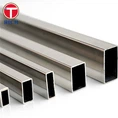
Carbon steel pipe, on the other hand, is a steel pipe that is made from carbon and iron. It is a common type of steel pipe that is used in a variety of applications, including in plumbing, HVAC systems, and construction. Carbon steel pipes can be manufactured in a variety of shapes and sizes, including round, square, and rectangular.
The main difference between galvanized pipe and carbon steel pipe is that galvanized pipe has a layer of zinc coating, while carbon steel pipe does not. This zinc coating provides galvanized pipe with a higher level of protection against corrosion, making it more suitable for outdoor and high-moisture applications. Carbon steel pipe, on the other hand, is more suitable for indoor applications where it is not exposed to moisture and does not require as much protection against corrosion.
Another difference between galvanized pipe and carbon steel pipe is their appearance. Galvanized pipe has a shiny, silver-gray appearance due to the zinc coating, while carbon steel pipe has a dull, matte finish.
In terms of cost, galvanized pipe is generally more expensive than carbon steel pipe due to the cost of the zinc coating. However, the added protection against corrosion may make it a more cost-effective choice in the long run for outdoor or high-moisture applications.

