

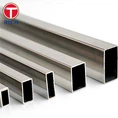


Electropolished tubing is a critical component in numerous industries (such as lithium-ion battery manufacturing, semiconductors, pharmaceuticals, food processing, and high-purity gas and fluid systems) that demand extremely high levels of cleanliness, corrosion resistance, and surface integrity. Its smooth, chromium-rich surface significantly reduces particle adhesion and microbial growth. However, without proper control, electropolished tubing can still become contaminated. This article outlines best practices for ensuring electropolished tubing remains contamination-free throughout its production and use.
The Importance of Cleaning Electropolished Tubes
The main advantage of electropolishing lies in its ability to create an ultra-smooth and chemically stable surface, thereby minimizing particle residue and corrosion. This advantage is diminished if the surface is contaminated with oil, metal particles, or ionic residues. In high-purity systems, even trace contamination can lead to product defects, reduced system efficiency, corrosion, or unplanned downtime.
Proper cleaning ensures that the passivated oxide layer formed during the electropolishing process remains intact and effective. It also helps meet stringent industry standards and customer requirements for cleanliness, especially in applications involving reactive chemicals, ultrapure media, or sterile environments. Clean electropolished tubing directly contributes to improved system reliability, product quality, and long-term operational safety.
Factors that cause contamination of electropolished tubes
Understanding the sources of contamination is essential for effective prevention. Contamination primarily stems from three areas: technology, human factors, and the environment.
1. Process Technology
- Polishing solution contamination: Aging of the polishing solution, accumulation of metal ions, or the presence of unsuitable, highly polluting substances in the formula (such as chromic anhydride in traditional processes).
- Equipment and tools: Non-dedicated polishing tanks or fixtures may cause uneven current distribution, leading to incomplete polishing; using carbon steel or non-insulated fixtures may introduce metal contamination.
- Improper cleaning: Insufficient purity of rinsing water, or inadequate flow rate or time, resulting in salt or acid residue.
2. Human Factors
- Unclean operating environment: Post-processing or packaging in non-clean areas allows particles and microorganisms from the environment to settle on the pipe walls.
- Improper handling: Direct contact with the inner wall of the pipe with bare hands during installation or inspection, resulting in the transfer of grease and sweat.
- Poor adherence to procedures: Failure to strictly follow standard operating procedures (SOPs), such as incomplete drying or delayed packaging and sealing.
3. Environment and Materials
- Material defects: High content of non-metallic inclusions in the pipe material substrate; these defects are exposed after electropolishing and become sources of contamination.
- Packaging material leaching: Plasticizers or volatile substances from low-quality packaging materials may contaminate the pipe surface.
How to Keep Electropolished Tubes Clean
Cleaning and maintenance work should begin immediately after electropolishing and continue throughout the entire process of handling, packaging, storage, and installation. After final cleaning, the tubing must be handled with powder-free gloves, avoiding direct contact with the inner surface. Using specialized tools and a clean work area helps prevent cross-contamination from carbon steel, dust, or lubricants.
1. Pre-treatment and Polishing Stage
Thorough degreasing and pickling are performed before polishing to remove oil and scale; a high-purity, low-impurity electropolishing solution is used; and the polishing solution is continuously filtered and its parameters monitored.
2. Post-treatment Stage
Immediately after polishing, multi-stage countercurrent rinsing is performed using ultrapure water with a resistivity of ≥18 MΩ·cm; chemical passivation (such as nitric acid or citric acid treatment) is implemented to repair and strengthen the passivation film.
3. Drying and Packaging Stage
Drying is performed using filtered hot nitrogen or dry air; double-layer sealed packaging is used in a clean environment better than ISO Class 4.
4. Storage, Transportation, and Installation
Stored in a constant temperature and humidity clean room; shock protection is used during transportation; packaging is only removed before installation, and connections are purged with high-purity nitrogen to ensure the tubing is in good condition before use.


Cleaning Methods for Electropolished Tubes
When pipes are contaminated or require regular maintenance, scientific cleaning methods must be employed. Before choosing a method, it is essential to identify the type of contaminant. The following are four main cleaning methods:
1. Alkaline Cleaning
- Purpose: To remove grease, dust, fingerprints, and light microbial residues from the pipe surface.
- Method: Use a low-foaming alkaline cleaning agent for circulating cleaning under heating conditions (usually 60-80°C). Afterward, it must be thoroughly neutralized and rinsed with ultrapure water until the effluent is neutral.
2. Acid Cleaning
- Purpose: To remove rust, weld stains, metal oxides, and scale from the pipe surface.
- Method: Use a nitric acid or citric acid solution for circulation or immersion. Concentration, temperature, and time must be strictly controlled. After completion, immediately rinse with a large amount of ultrapure water and dry quickly. A blue spot test should be performed to verify the integrity of the passivation film.
3. High-Purity Water/Steam Flushing
- Purpose: To remove loose particles and residues after chemical cleaning from the pipe surface.
- Method: Use high-temperature, high-pressure ultrapure water or steam for impact cleaning, which can effectively remove loose particles. For the pharmaceutical industry, pure steam may be used for sterilization.
4. Drying and Preservation
- Purpose: To remove moisture and environmental contaminants from the pipe surface.
- Method: Regardless of the cleaning method used, thorough drying is the final crucial step to prevent water stains and microbial growth. Immediately purge with clean, dry gas and reseal the packaging.
conclusion
Maintaining contamination-free electropolished tubing requires more than just achieving a smooth surface. It demands a comprehensive and rigorous approach, encompassing controlled manufacturing processes, effective cleaning methods, careful handling, proper packaging, clean storage, and strict installation procedures. Only by consistently applying these best practices can electropolished tubing fully realize its advantages in cleanliness, corrosion resistance, and long-term system reliability.
As an experienced manufacturer, TORICH implements stringent contamination control measures throughout the entire production cycle-from raw material selection and electropolishing to final cleaning, inspection, and export packaging. By combining advanced processing techniques with rigorous quality management, TORICH ensures that its electropolished tubing meets the high cleanliness and performance requirements of high-purity applications in industries such as new energy, semiconductors, and pharmaceuticals.