

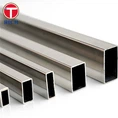


Copper Nickel Tubes is an alloy pipe material composed primarily of copper and nickel, supplemented by small amounts of elements such as iron and manganese; it is principally utilized in various fluid transport and heat exchange applications.
Distinguished by its exceptional corrosion resistance, enduring durability, and highly efficient thermal conductivity, it occupies a pivotal position within numerous critical sectors-including marine engineering, industrial manufacturing, and water treatment-as well as within various fluid systems, serving as an essential piping component that ensures the stable operation of equipment.
This article provides a systematic examination of the various alloy types of copper-nickel tubing, the rationale behind its selection, and its primary fields of application.
Copper-Nickel Tubes Overview
Alloy Types and Properties
The primary engineering grades of copper-nickel alloys are the 90-10 and 70-30 varieties-specifically, copper-nickel alloys containing 10% or 30% nickel-to which small yet significant amounts of iron and manganese are added to optimize their corrosion resistance.
The 90-10 copper-nickel alloy (UNS C70600) is the most widely utilized due to its excellent balance of properties and cost-effectiveness; the 70-30 copper-nickel alloy (UNS C71500), possessing higher strength, is capable of withstanding greater flow velocities and pressures, making it the preferred choice for demanding applications such as submarines.
These two highly ductile alloys can only be strengthened through cold working; their face-centered cubic (FCC) crystal structure endows them with excellent weldability and formability. The thermal conductivity of copper-nickel alloys is approximately 50% to 60% that of pure copper-a level that remains superior to materials such as stainless steel-enabling them to perform exceptionally well in heat exchanger applications.
Why Copper-Nickel Tubes Are Used
Compared to standard carbon steel pipes, copper-nickel pipes offer significantly enhanced corrosion resistance-particularly in corrosive environments such as seawater and brine-effectively preventing pipe corrosion and leakage while extending service life.
In comparison with stainless steel pipes, copper-nickel pipes exhibit superior thermal conductivity and possess inherent anti-biofouling properties, which minimize the adhesion of marine organisms and microorganisms, thereby reducing the risk of pipe blockage.
Furthermore, copper-nickel pipes are exceptionally durable, boasting a typical service life spanning several decades and requiring minimal maintenance. Moreover, their high recyclability aligns with the industry's trend toward green, eco-friendly development; consequently, in terms of both short-term cost-effectiveness and long-term operational value, they far outperform comparable piping materials.
Marine Applications of Copper Nickel Tubes

Shipbuilding and Seawater Piping
The marine environment is one of the most demanding environments for any piping material. Seawater, continuous vibration, and temperature fluctuations can rapidly degrade softer metals. In shipbuilding, these materials are utilized in seawater piping networks, fire suppression systems, and onboard cooling circuits, as they deliver stable performance and exceptional longevity. A key advantage is that they help minimize the frequency of replacements-a critical factor for vessels operating far from maintenance facilities.
Bilge, Ballast, and Cooling Systems
Copper Nickel Tubes are also widely utilized in bilge, ballast, and engine cooling systems. These applications require a material capable of withstanding continuous exposure to seawater while maintaining flow efficiency. Their smooth interior surfaces help minimize fouling and pressure loss, thereby supporting reliable long-term operation. In cooling systems, their thermal conductivity facilitates efficient heat transfer, enhancing overall system performance.

Industrial and HVAC Uses for Copper-Nickel Tube
Beyond the marine sector, copper-nickel tubes also play a vital role in industrial production and HVAC systems. The combination of their excellent thermal conductivity and corrosion resistance secures them a unique position within various types of heat exchange equipment and chemical processing operations.
Heat Exchangers and Condensers
Heat exchangers and condensers represent the primary industrial applications for copper-nickel tubing. Engineering grades 90-10 and 70-30 copper-nickel alloys are predominantly utilized in seawater piping systems, heat exchangers, and condensers, serving sectors such as power generation, petrochemicals, and offshore facilities.
Within heat exchange systems, copper nickel tubes maintain long-term, stable heat transfer efficiency, thereby preventing abrupt performance degradation caused by severe fouling. In condenser applications, copper-nickel condenser tubes are capable of withstanding simultaneous pressure fluctuations and thermal cycling stresses without failing due to material embrittlement-a critical attribute for equipment requiring continuous operation, such as that found in power plants and petrochemical facilities.
Furthermore, the low biofouling propensity of copper nickel tubes helps retard the accumulation of fouling, thereby ensuring the sustained maintenance of optimal heat transfer efficiency.
Oil, Gas, and Cryogenic Systems
These tubes are also found in oil, gas, and cryogenic applications where equipment must perform under pressure, temperature variation, and chemically aggressive conditions. In offshore and coastal installations, resistance to seawater corrosion is especially important. In cryogenic service, the material must remain dependable under very low temperatures while preserving structural integrity. That combination makes copper nickel alloys a practical option for specialized process lines and heat-transfer equipment.
Water Treatment and Desalination with Copper-Nickel

Desalination Plant Systems
In the seawater desalination process-whether utilizing Multi-Stage Flash (MSF) or Reverse Osmosis systems-Cu-Ni tubes are employed in critical pipelines such as seawater intake, pretreatment, and desalinated water conveyance, as well as in the heat exchange tubing within the desalination equipment.
Cu-Ni tubes effectively withstand the corrosion and erosion associated with high-salinity seawater; furthermore, their inherent resistance to biofouling minimizes pipeline blockages caused by the attachment of marine organisms, thereby ensuring the continuous and stable operation of the seawater desalination system.
Water Distribution and Sanitary Applications
Beyond the core components of desalination plants, copper-nickel pipes are also utilized in seawater intake and discharge systems, marine aquaculture facilities, and water distribution networks in coastal municipalities. In sanitary applications, copper-nickel pipes-distinguished by their inherent antimicrobial properties and corrosion resistance-are employed to convey various media, including potable water, graywater, and blackwater.
In large-scale municipal water supply and inter-regional water transfer projects, copper-nickel pipes are used to transport drinking water; their material stability enables them to withstand corrosion caused by chlorine and impurities present in tap water, thereby safeguarding the safety of the drinking water supply.

Conclusion
In summary, the application scope of copper nickel tubes spans a wide range of critical industries, including marine and offshore engineering, industrial heat exchange and HVAC, oil and gas, as well as water treatment and desalination. By virtue of their exceptional resistance to seawater corrosion, superior thermal conductivity, inherent resistance to biofouling, and a reliable service life exceeding 20 years, copper-nickel tubes demonstrate irreplaceable core advantages within these demanding operating environments.