

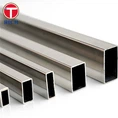


Copper alloy tubing is a tubular material made primarily of copper, with the addition of other metals such as zinc, tin, nickel, aluminum, and phosphorus. Both copper and copper alloy tubes possess excellent thermal conductivity, electrical conductivity, corrosion resistance, and workability. They are commonly used in water supply systems, air conditioning and refrigeration systems, heating systems, and architectural decoration. Widely used in both industrial and civil applications, they are an important piping material capable of meeting the demands of various engineering projects.
key features of Copper Alloy Tubing
1. Excellent thermal and electrical conductivity:
Copper alloys are excellent thermal and electrical conductors, making copper alloy pipes perform exceptionally well in heat transfer and electrical conduction.
2. High strength and hardness
The superior mechanical properties of copper alloys allow them to withstand heavy loads and pressures, resisting high pressure and impact without deformation or breakage. Therefore, they are widely used in high-pressure piping systems, such as in the petroleum and chemical industries.
3. Corrosion resistance
Copper alloys have high corrosion resistance. A dense oxide film typically forms on the surface of copper alloy pipes, preventing further corrosion. Even in humid or acidic environments, copper alloy pipes can maintain a long service life, reducing maintenance and replacement costs.
4. Good plasticity and machinability
Copper alloy pipes can be bent, cut, and welded through cold or hot working processes to meet different needs.
5. Antibacterial properties
Copper has antibacterial properties, inhibiting bacterial growth, making copper pipes widely used in the medical and food industries.
6. Recyclability
Copper/copper alloys are recyclable materials, contributing to environmental protection and resource recycling.
types of Copper Alloy Tubing

brass
Brass is an alloy of copper and zinc, named for its yellow color. Brass possesses good mechanical properties and wear resistance, and is widely used in the manufacture of valves, water pipes, connecting pipes for air conditioners (both indoor and outdoor units), and radiators.
Bronze
Bronze is an alloy of copper with other metallic elements (excluding zinc and nickel), mainly including tin bronze, aluminum bronze, and special bronzes. Bronze has characteristics such as a low melting point, wear resistance, and corrosion resistance, making it suitable for casting various tools and machine parts.


Cupronickel
Cupronickel is a copper-based alloy with nickel as the main additive element. It is a copper-nickel alloy with excellent ductility, hardness, and corrosion resistance, and is widely used in shipbuilding, petrochemicals, electrical equipment, instruments, and medical equipment.
purple copper
Copper (purple copper) is named for its purplish-red color. Purple copper has electrical and thermal conductivity second only to silver, and is used in the manufacture of conductive and heat-conducting equipment. Purple copper has excellent corrosion resistance and is widely used in wires, cables, and heat transfer equipment.

uses of Copper Alloy Tubing
1. Air Conditioning and Refrigeration/Heating Systems
Due to their excellent thermal conductivity and corrosion resistance, copper alloy tubes are used as the main material for heat exchangers in condensers and evaporators in refrigeration cycles, facilitating heat transfer and achieving cooling or heating effects.
2.Construction Industry
Copper alloy tubes are used in the construction industry for water supply pipes, heating pipes, etc. Their excellent thermal and electrical conductivity allows for rapid heat transfer, achieving quick heating. The high strength and corrosion resistance of copper alloy tubes give them a long service life, making them a suitable replacement for traditional PVC pipes and iron pipes.
3. Marine Industry
Copper alloy tubes are also widely used in shipbuilding, for example, in pipes and electrical components. Their excellent processing properties and corrosion resistance make them suitable for use in marine environments.
4. Petroleum, Aerospace, Chemical, Power, Boiler, and Military Industries
Copper alloy tubes have widespread applications in these industries because their mechanical properties are versatile and easily adjustable, allowing them to adapt to various harsh working environments.
5. Electronics and Electrical Fields
Copper alloy tubes can be used to manufacture busbars, waveguides, lead-in wires, and anodes for electron tubes, vacuum sealing components, transistor components, velocity modulation tubes, microwave tubes, rectifiers, etc.
6. Subsea Pipelines
Seamless brass tubes can be used in subsea pipelines due to their softness and strong performance, making them suitable for use in harsh underwater environments.
summary
Copper alloy tubing is a versatile type of piping made from copper or copper-based alloys, often combined with elements such as nickel, tin, or beryllium to enhance strength, corrosion resistance, and durability. It is widely used in marine, chemical, industrial, HVAC, medical, and electrical applications, possessing excellent thermal and electrical conductivity, ductility, and a long service life.
TORICH offers copper tubing in various specifications and alloy materials, including pure copper tubes, copper-nickel alloy tubes, beryllium copper tubes, PVC Coated Copper Tubing, and coiled U-tubes, meeting diverse needs for industrial, marine, and precision applications.